Welcome to the Philosophy & other life teachings of the website


Here are some Stoicism things

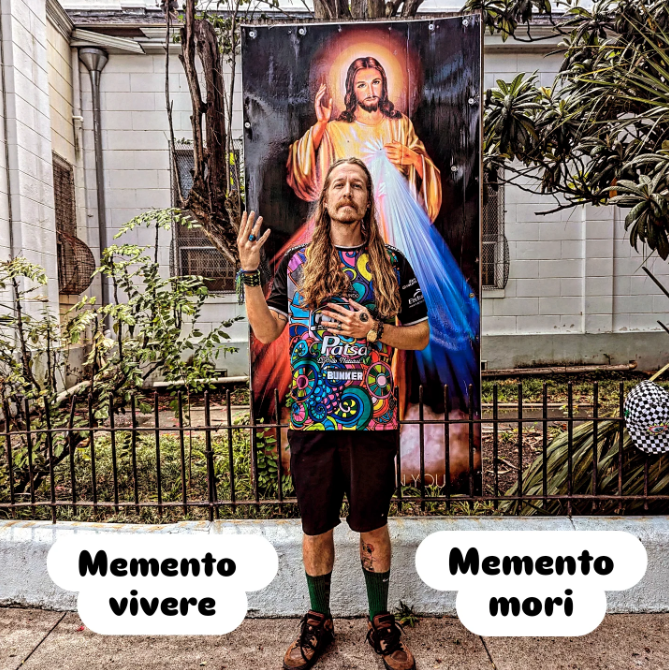
Memento Mori Memento Vivere

12 Stoic Questions that will change your life

  • Who are you spending time with?
  • Is this in my Control?
  • What does your ideal day look like?
  • To be or to do?
  • If I am not for me, who is? If I am only for me, who am I?
  • What am I missing by choosing to worry or be afraid?
  • Are you doing your job?
  • What is the most important thing? What is the most important thing you do, what do you actually value?
  • Does this actually matter?
  • Who’s this for? Whatever your actions are, you’ve to know who’s this for? What is the outcome of your actions? Is it going to help someone? Think about it before you create such an action.
  • Will this be alive time or dead time?
  • Is this who I want to be?
Amathia - Amathia, A greek word that roughly translates to Intelligent Stupidity. It explains why otherwise smart people do evil and stupid things. It is not that people lack the ability of understanding (normal stupidity) but are unwilling to learn (thus intelligent stupidity). It is not anger that is manly, but gentleness and delicacy. It is because they are more human that they are more manly; they possess more strength, more nerve, and more virility” It is better to be the person wronged than the one who is wronging others. true happiness only results from treating other people with fairness and kindness. Eudaimonia - Eudaimonia, sometimes anglicized as eudaemonia or eudemonia, is a Greek word literally translating to the state or condition of 'good spirit', and which is commonly translated as 'happiness' or 'welfare'. In the works of Aristotle, eudaimonia was the term for the highest human good in older Greek tradition.


Here are some Buddhist things


Goodluck buddha austin street art
Upon attaining enlightenment under the Bodhi tree, the Buddha is traditionally believed to have uttered a verse (often called his "song of victory" or Gāthā) expressing his liberation from the cycle of birth and death, often translated as: "Seeking but not finding the house builder, I traveled through the round of countless births. Oh, painful is birth ever and again! House builder, you are seen! You will not rebuild this house". Key details regarding this moment:
  • The Verse: The full verse (from the Dhammapada) describes the "house" as the body/ego, the "rafters" as craving, and the "house builder" as desire.
  • Significance: The verses represent the breaking of the cycle of craving and suffering, marking the end of his search.
  • Other Accounts: Other interpretations or moments include the Buddha saying he has "awakened" and is no longer subject to birth.
  • First Sermon: The first formal teachings, rather than immediate exclamations, focused on the Four Noble Truths in the Deer Park.

Abandon Hope

In Buddhism, the phrase "abandon all hope" emphasizes letting go of expectations and attachments, which can lead to suffering. It encourages a mindset of acceptance and clarity, allowing individuals to engage with reality without the burden of unfulfilled desires.

Overview of Pancha Sila

Pancha Sila, also known as the Five Precepts, is a fundamental ethical code in Buddhism for lay followers. These precepts serve as guidelines for moral conduct and are essential for spiritual development.

The Five Precepts

  • Prohibition of killing living beings, including humans and animals.
  • Prohibition of stealing or taking what is not given.
  • Prohibition of sexual misconduct or adultery.
  • Prohibition of false speech, including lying, gossip, and harsh words.
  • Prohibition of intoxication through alcohol or drugs.

Purpose and Importance

The Five Precepts are considered the minimal standard of morality in Buddhism. They help develop virtue and character, which are crucial for progressing on the path to enlightenment. Practicing these precepts is seen as a way to create good karma and contribute to a harmonious society. These precepts are integral to Buddhist teachings and are often compared to ethical codes in other religions, such as the Ten Commandments in Christianity. They guide practitioners in their daily lives and spiritual journeys.

Sila and Sati are two important concepts in Buddhism that are closely related to ethical conduct and mindfulness. Sila refers to moral discipline or ethical conduct, while sati refers to mindfulness or awareness. Together, sila and sati form the foundation of Buddhist practice and are essential for spiritual development.

Anicca, anicca, annica - Anicca is a fundamental concept in Buddhism that refers to the impermanence of all things. It is one of the three marks of existence, along with dukkha (suffering) and anatta (non-self). Anicca emphasizes that everything in the world is constantly changing and nothing is permanent. This understanding of impermanence is central to Buddhist teachings and encourages practitioners to let go of attachments and desires, which can lead to suffering.

12 paramitas - The 12 Paramitas, also known as the 12 Perfections, are a set of virtues that are cultivated in Mahayana Buddhism to achieve enlightenment. They are:

  • 1. Dana (Generosity)
  • 2. Sila (Ethical Conduct)
  • 3. Ksanti (Patience)
  • 4. Virya (Energy or Diligence)
  • 5. Dhyana (Meditation)
  • 6. Prajna (Wisdom)
  • 7. Upaya (Skillful Means)
  • 8. Pranidhana (Aspiration)
  • 9. Bala (Spiritual Power)
  • 10. Jnana (Knowledge)
  • 11. Viriya (Effort)
  • 12. Upeksa (Equanimity)
These paramitas are considered essential qualities for a bodhisattva, someone who seeks enlightenment not only for themselves but also for the benefit of all sentient beings. Cultivating these virtues is seen as a way to develop compassion, wisdom, and skillful means, which are crucial for helping others on their spiritual paths.

Sutta

A sutta is a record of teachings given by the Buddha or his disciples, often presented as sermons or dialogues. In Buddhism, suttas are considered foundational texts that convey the essence of the Buddha's teachings.

Check out some Daily Suttas

Here are some Taoism things


Lao Tzu Taoism, be like water

Here are some Carl Jung things


Here is some stuff on Dale Carnegie

How to Win Friends & Influence People


Alan Watts

"The only way to make sense out of change is to plunge into it, move with it, and join the dance." "Trying to define yourself is like trying to bite your own teeth." "You are that vast thing that you see far, far off with great telescopes." "The meaning of life is just to be alive." "The real you is not a puppet which life pushes around. The real, deep-down you is the whole universe." "Everybody is 'you'. Everybody is 'I'. That's our name. We all share that." "People who exude love are apt to give things away. They are in every way like rivers; they stream." "I owe my solitude to other people." "You don't look out there for God, something in the sky; you look in you." "No valid plans for the future can be made by those who have no capacity for living now."